



Late-Night Trains vs. Night Buses in Europe: A First-Timer’s Comparison
A practical, first-timer’s guide to choosing between night trains and coaches in Europe, comparing real cost, safety, comfort, booking timing and station access.
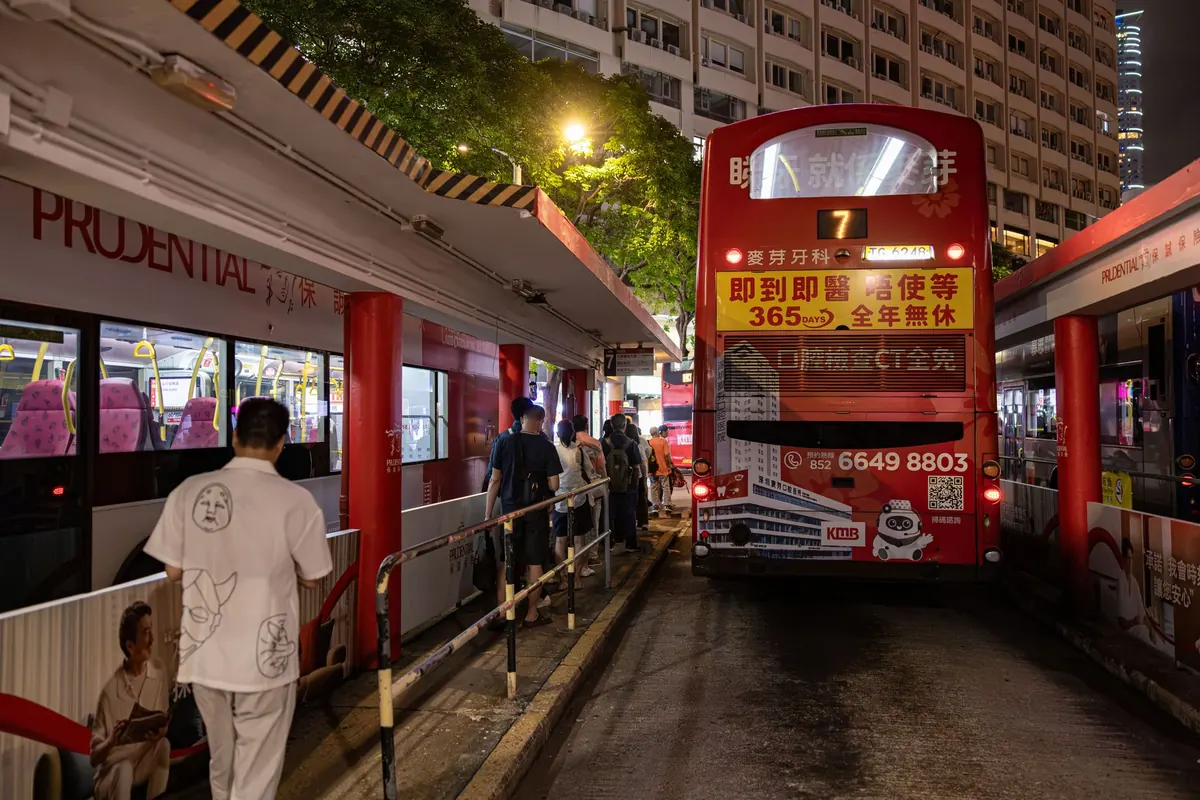
It is 11:40 pm and you are standing in a station hall with a ticket to a city several hundred kilometres away. Two options remain: a berth on a night train leaving in twenty minutes, or a coach from a stop two streets over at half past midnight. On paper the coach is cheaper and the train is quicker. In practice, the choice comes down to things you will only notice at 3 am: how flat you can lie, how warm the air is, whether the lights come on at a border, and how far you have to walk at six in the morning with a bag on your shoulder.
Both modes work. They simply reward different travellers. Here is the comparison, written the way you would want it from a friend who has done both and missed a connection doing it.
Cost: compare the whole journey, not the ticket
Headline fares are the least useful number on the screen. A night train ticket usually bundles the seat or berth, but the price swings hard with demand and with what you book: a reclining seat, a couchette shared with strangers, or a private sleeper. The gap between those three can be wider than the gap between the train and the coach.
Coaches tend to advertise low base fares, then add charges for seat selection, extra luggage or a booking fee. Neither is a trick, but both mean the price you first see is a starting point.
Then add the parts nobody puts in the comparison table: getting to the terminal, getting from the arrival point to your bed, food, and a second bag. A night train can genuinely replace a hotel night if you sleep on it. A coach that drops you at a windswept car park at 5:40 am usually cannot, so you may end up paying for a room you barely use.
Do the sums door to door, including the taxi you will take because the metro has not started yet. That is the real price.
Fares and conditions change constantly, so check the refund and change rules before you pay. The cheapest ticket is usually the most rigid one, and a rigid ticket on a night service is a bad pairing if your plans are still moving.
Safety: the hours around the journey matter as much as the journey
Most late-night travel is uneventful. The risks that do exist cluster at the edges: the empty suburban platform, the unlit walk to a roadside stop, the bag left unattended while you queue for coffee.
Big rail terminals at night usually have staff, lighting, shops and other passengers. Smaller stations do not, and some regional stops are little more than a shelter beside a track. Coach stops vary even more: a handful are proper terminals, many are a marked bay outside a shopping centre or on the edge of a ring road.
On board, a night train puts you in a compartment with a lockable door on some services, or a shared couchette with strangers on others. A coach gives you one driver, a lit aisle, and regular stops where everyone gets off together. Neither is inherently safer; each asks something different of you.
- Share your booking and arrival time with someone before you leave.
- Keep your phone charged and pack a power bank, because a dead phone at 2 am turns a minor delay into a problem.
- Keep passport, cards and phone on you rather than in the bag in the luggage rack or the hold.
- Choose the station or stop you can reach by a route you would be comfortable walking at night.
If something feels off, that is reason enough to change the plan. Waiting in a lit café until dawn, or paying for a short taxi instead of a long walk, is money well spent.
Comfort: sleep is the real currency
A night train is a room that moves. Even the cheapest couchette lets you lie down, which changes the next day entirely. The trade-off is noise: joints, brakes, announcements, and the small drama of a compartment door at 4 am. Earplugs and an eye mask do more for your night than any upgrade.
Coaches recline, but not flat. Legroom is tighter, the air can be dry, and lights come on at stops and border checks. Drivers take legally required breaks, which means the journey is longer than the timetable suggests in your head.
Pack for the reality of both: a light layer because air conditioning is either fierce or absent, a refillable bottle, and a small bag with everything you need overnight so you are not excavating a rucksack in a dark aisle. On coaches the big bag goes underneath, so keep the essentials with you.
Booking timing: trains reward planning, coaches reward flexibility
Night trains are a limited resource. There are only so many berths, and on popular routes in summer, around holidays and on Friday nights, couchettes disappear weeks in advance. If your date is fixed and the route is busy, book as soon as you know. Waiting rarely produces a bargain; it usually produces a seat instead of a bed.
Coaches are more forgiving. Operators add departures on busy corridors, and seats often remain available a few days out. That flexibility is worth something when your plans are loose, though weekend and holiday services still fill, and prices climb as departure approaches.
For cross-border trips, check whether you need ID at the border and whether the service is reservation-only. A flexible rail pass that works beautifully on daytime trains can be awkward on night services that demand a paid reservation on top.
Station access and the last mile
This is where the two modes differ most, and where first-timers get caught out. Rail stations are often central; coach stops are often peripheral. Arriving at a main station at 7 am means coffee, toilets, ticket machines and a metro entrance. Arriving at an industrial estate means finding out whether anything at all is running.
- Look up the exact arrival point, not just the city.
- Check the first departure of local transport and whether it runs on a Sunday.
- Measure the walk from the stop to your accommodation, and picture it with luggage in the dark.
- Price a taxi or ride-hail as a fallback, so the cost is not a surprise.
- If you arrive before public transport starts, consider a later departure or a budget room near the terminal.
Which one to take
- Take the night train if you value sleep, are arriving in a city centre, and can book early enough to get a berth.
- Take the coach if the fare difference is decisive, the route is short enough that sleep hardly matters, or the departure point suits you better than the station.
- Take a daytime service if your arrival would land you somewhere remote before dawn with no onward plan.
A short checklist before you pay
Confirm the exact departure and arrival points, the type of seat or berth, the luggage allowance, and the change and refund conditions. Check the first onward connection at your destination. Charge everything, download your ticket offline, and carry a little cash for the hours when card readers and kiosks are shut. Then decide, not on the cheapest number on the screen, but on the version of the morning you would actually like to have.
Photo: HONG SON / Pexels