
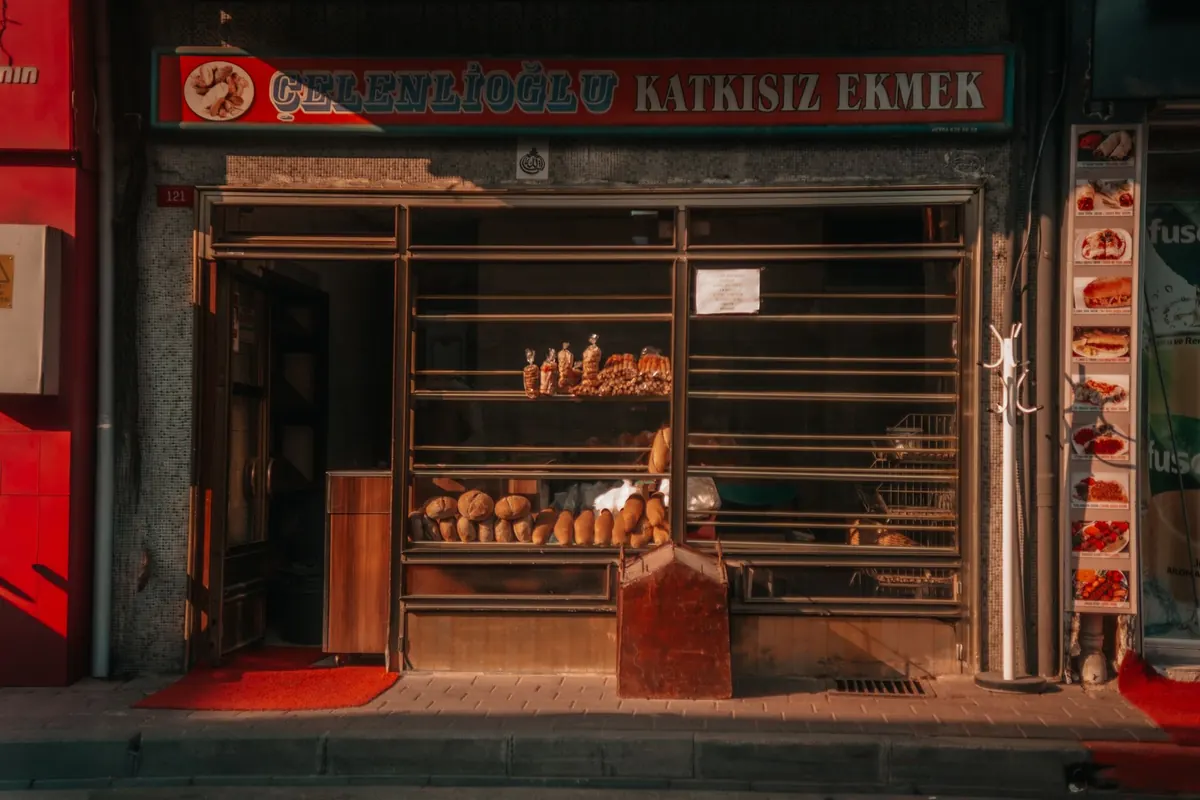


How to Photograph Empty Streets After Midnight Without a Professional Camera
A practical guide to shooting quiet, empty streets after midnight with a phone: which settings to change, how to hold still, what to frame, and how to stay safe and courteous.
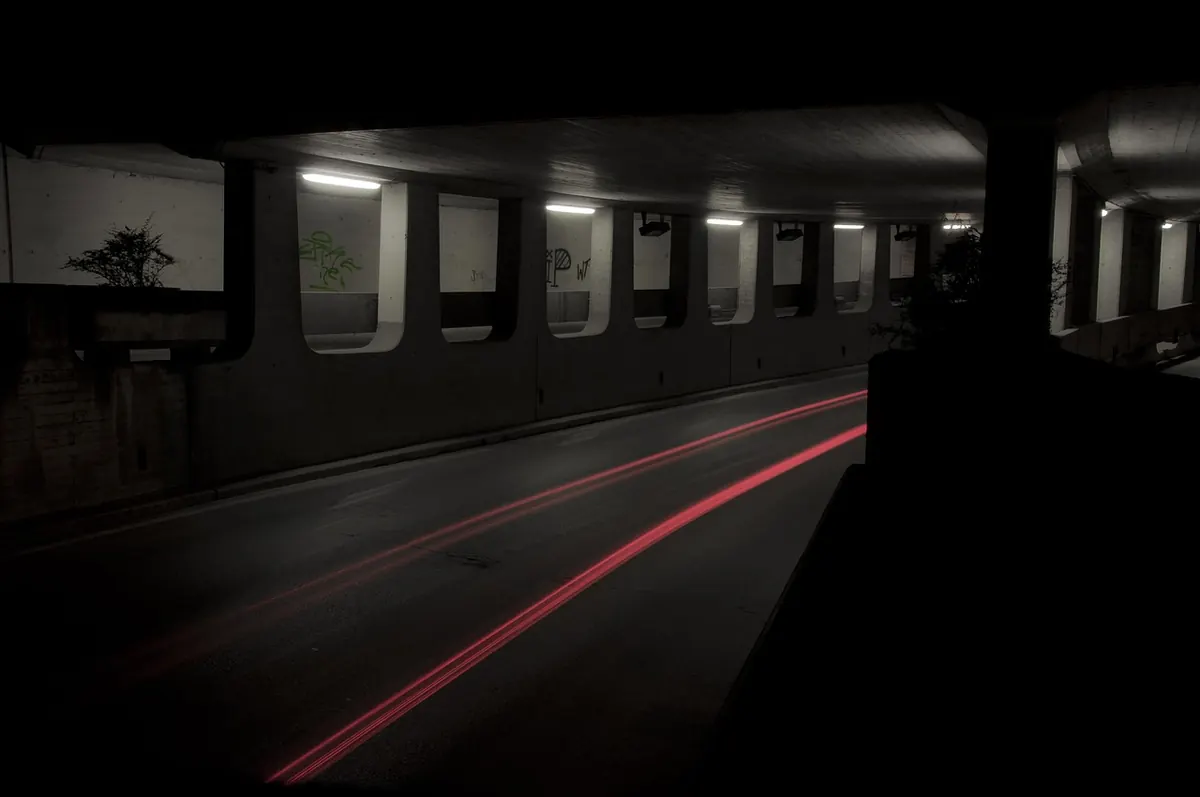
At one in the morning the city stops performing. Shutters are down, the buses have thinned out, and the street you walk every day turns into something you have to look at twice. This is the hour when a phone camera is at its most useful and most easily disappointed: the scene is beautiful, and the frame comes back as grey soup with one blown-out lamp in the corner.
You do not need a professional camera to fix that. Most phones sold in the last several years can hold a quiet street well, provided you take over a few decisions the software normally makes for you. What follows is roughly what I would tell a friend who texted at midnight asking why their photographs look like nothing.
Set the phone before you set the frame
Open the camera app while you are still under a streetlamp, not after you have found the shot. Cold fingers and nested menus do not mix, and the light at your back is enough to see what you are doing.
Turn the flash off. It will never reach the building across the road; it will only light the damp air in front of you and flatten whatever is close. Night mode is your friend, but it is a suggestion rather than magic — it takes several frames over a second or more and blends them, which means the phone has to stay still for the whole count.
- Flash: off. Always, for this kind of work.
- Exposure: down, not up. Tap the brightest part of the scene — a shop sign, a lamp — then drag the little sun slider down a notch or two. Streetlights blow out easily; a slightly dark frame can be lifted later, a white blob cannot be recovered.
- Focus: locked. Press and hold on a doorway or a kerb until the box stops hunting. Autofocus at night likes to drift mid-exposure.
- Zoom: use your feet. Digital zoom turns wet asphalt into mush. Two steps forward beats a pinch.
- Grid and timer: on. The grid keeps your verticals straight; a three-second timer removes the small shake of a jabbed shutter.
If your phone has a pro or manual mode, change one thing at first: keep the ISO low and let the shutter run longer. A quarter of a second braced against a wall is realistic. Two seconds in your hands is not.
Stability is the whole trick
Every guide to night photography eventually says tripod, and then nobody carries one. You do not need one for a street corner. You need something that will not move for two seconds: a bollard, a bin, a low wall, a windowsill, the top of a ticket machine. Fold your jacket under the phone so it does not slide, hold the edges, and fire with the volume button rather than poking the screen.
Your body works too. Elbows tucked in, feet apart, phone braced against a lamppost. Breathe out, then press. If you are shooting handheld, take five frames of the same thing — one will be sharp, and you can delete the rest on the walk home.
Sharpness beats brightness. A clean, slightly dark photograph can be improved in a minute. A bright blur cannot be rescued by anything.
Compose for absence, not emptiness
An empty street is not automatically a photograph. What makes it one is the evidence that people were there an hour ago and will be back: wet asphalt holding a red traffic light, a stack of chairs outside a closed cafe, one lit window on the fourth floor, a bicycle chained to a downpipe. Those small anchors tell the viewer the silence is temporary.
Get low and put the road in the bottom third. Crouching changes the whole feel of a street — buildings lean in, and the painted lines become a route for the eye. Then use what is already there: kerbs, tram tracks, rows of shopfronts, the arrow of a one-way sign. Find a line that leads toward the thing you actually want someone to notice.
Reflections are the cheapest trick available after rain. A puddle the size of a dinner plate will double a neon sign or a lit doorway. Hold the phone an inch or two above the water and the composition flips upside down.
Check the edges before you press. Half the frames I throw away have a bin bag or a traffic cone in the corner that I did not see until later. Move two steps left and it is gone.
Read the street before you frame it
Midnight photography means standing still in quiet places with a phone held up, which makes you visible. Stay on lit streets you can name, know your way back, and keep one ear free — headphones in both ears is a bad idea at this hour. If a group is walking toward you and something feels wrong, put the phone away and walk. Do not stand there adjusting settings.
Look before you step off the kerb. Quiet roads also carry quiet cars, taxis with their lights off and fast bicycles. And keep a little distance from anyone sleeping rough or working a late shift; a photograph is not worth someone's discomfort.
If a passer-by asks what you are doing, answer plainly: "Photographing the street, it looks good empty." Most of the time that is the end of it.
Permission, people, and the awkward question
Rules about photographing streets differ from country to country, and sometimes from one city to the next. For your own camera roll, most public places are straightforward. For anything commercial — an advertisement, a book cover, a client's feed — you generally need more care, especially where recognisable faces, private courtyards or building interiors are involved. Check the local rules, and if you plan to publish or sell the images, take proper advice rather than relying on a blog post.
Courtesy covers most situations:
- If a person is clearly the subject, ask first. A nod and a gesture at the phone is usually enough.
- Private property stays private. A lit doorway on a residential street is not an invitation.
- Do not photograph into the windows of homes, even from the pavement.
- If a guard or officer asks you to move along, move along. There is always another corner.
Edit with restraint
Back home, resist dragging the shadows slider to the top. Night photographs look like night because they are dark. Lift the shadows just enough to show texture in the pavement, pull the highlights down so the lamps keep their shape, straighten the horizon, crop out the clutter you missed, and stop. A touch of warmth on sodium-lit streets helps; too much makes everything look like a filter.
Then delete ruthlessly. Three good frames from a two-hour walk is a normal night, and the discipline makes the next walk sharper.
A route you can walk tonight
Pick five or six blocks you know well and walk them once without shooting, just looking at where the light falls. Then walk back and take ten photographs. Set the phone up before you leave the lit part of the street, brace against something solid, expose for the highlights, and take the extra frame. Go out again next week on the same route in different weather — fog, rain and a clear cold night all produce completely different pictures of the same corner.
The empty streets keep a schedule, and you will learn it faster than you expect. Half past midnight on a Tuesday is not the same city as two in the morning on a Saturday. That difference is the story.
Photo: domitian / Pixabay